Hotels plan staff around expected guest activity. Check-in and checkout have their routines. Banquet events have their schedules.
Guest enquiries do not read the roster.
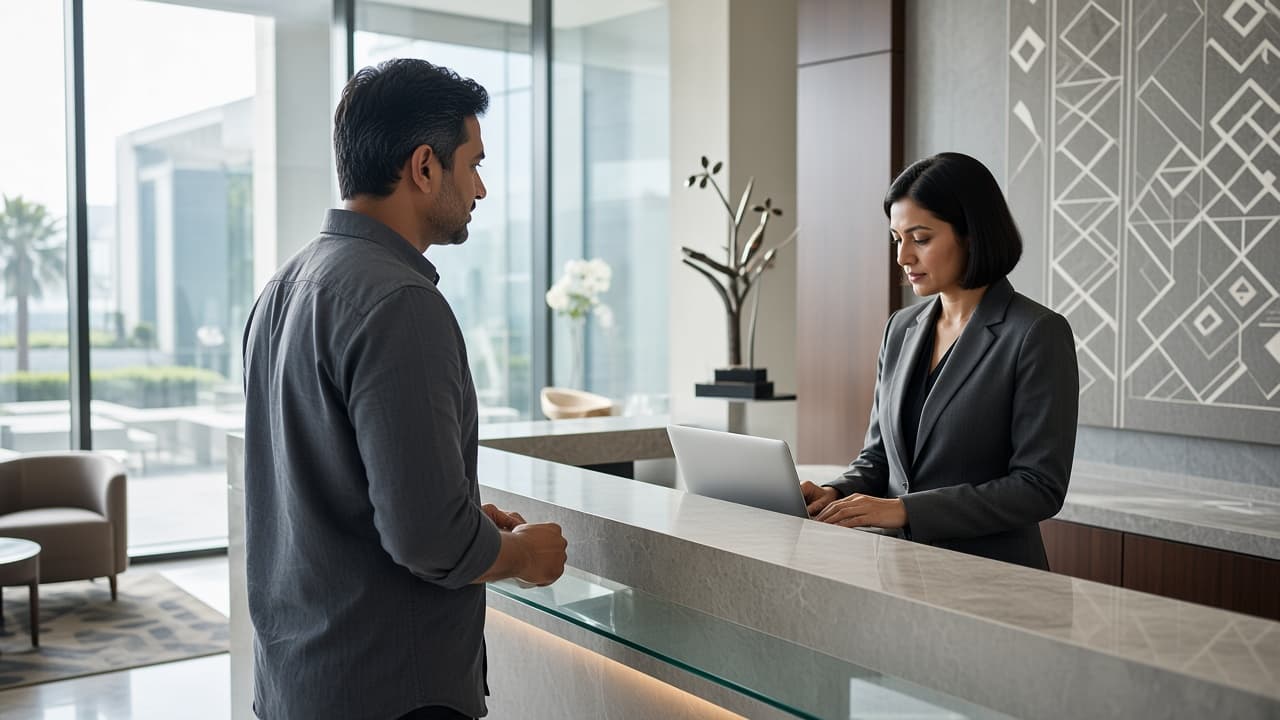
A guest calls while the receptionist is checking someone in. An event organiser calls while the banquet team is walking another client through the hall. A traveller is ready to book long after the desk has thinned out for the night.
The hotel is running exactly to plan. The phone is not.
When do hotel guests actually call?
Later than most rosters assume, and not always when the desk is free.
Consider a city hotel with a convention business. Across a month, its line logged 311 real guest conversations, meaning calls of 20 seconds or longer. 105 of them, about one in three, came outside 9am to 6pm.
| What the call data showed | Count |
|---|---|
| Real guest conversations in the month | 311 |
| Conversations outside 9am to 6pm | 105 (34%) |
| Conversations in the 8pm hour | 23, as many as the 2pm hour |
| Conversations between 9pm and 8am | 35 |
| Leads captured outside desk hours | 55 of 162 |
Source: HeyKoala client call data, August to September 2026.
The 8pm hour was as busy as 2pm. And these were not idle calls. More than a third of the leads that reached the hotel's team, each with a name, a number and a request, arrived while the regular desk was off.
Before the AI line went in, those after-hours calls simply rang out.
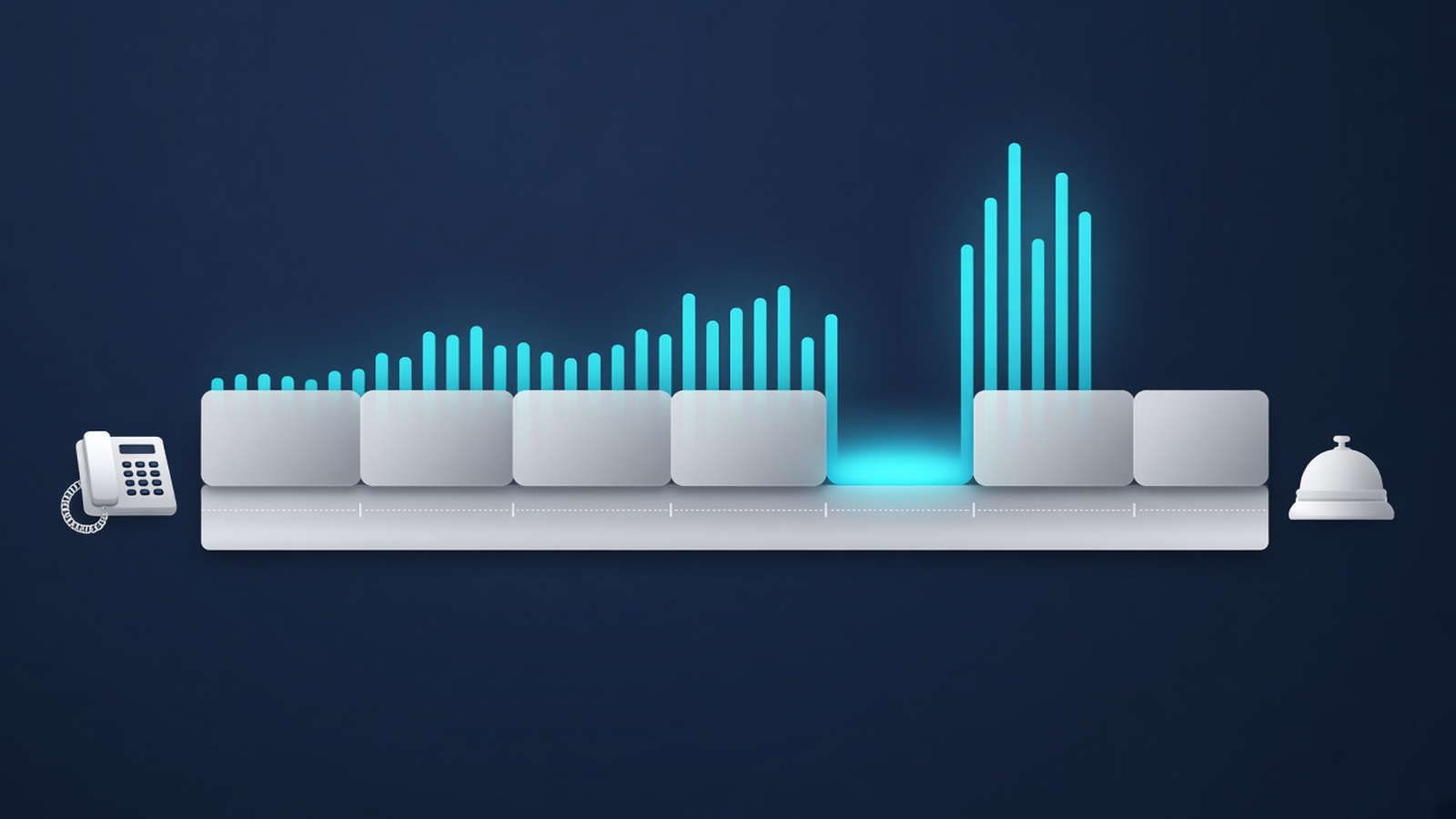
Is the problem a shortage of staff?
Not always. Sometimes it is a timing problem.
Now consider a business hotel with a banquet business. In August 2026 it took 301 calls. Its busiest window was 3:30pm to 5:30pm, which alone carried more than 110 of them, over a third of the month. Late morning to early afternoon (11:30am to 2:30pm) was also high, and 6:30pm to 7:30pm stayed steady.
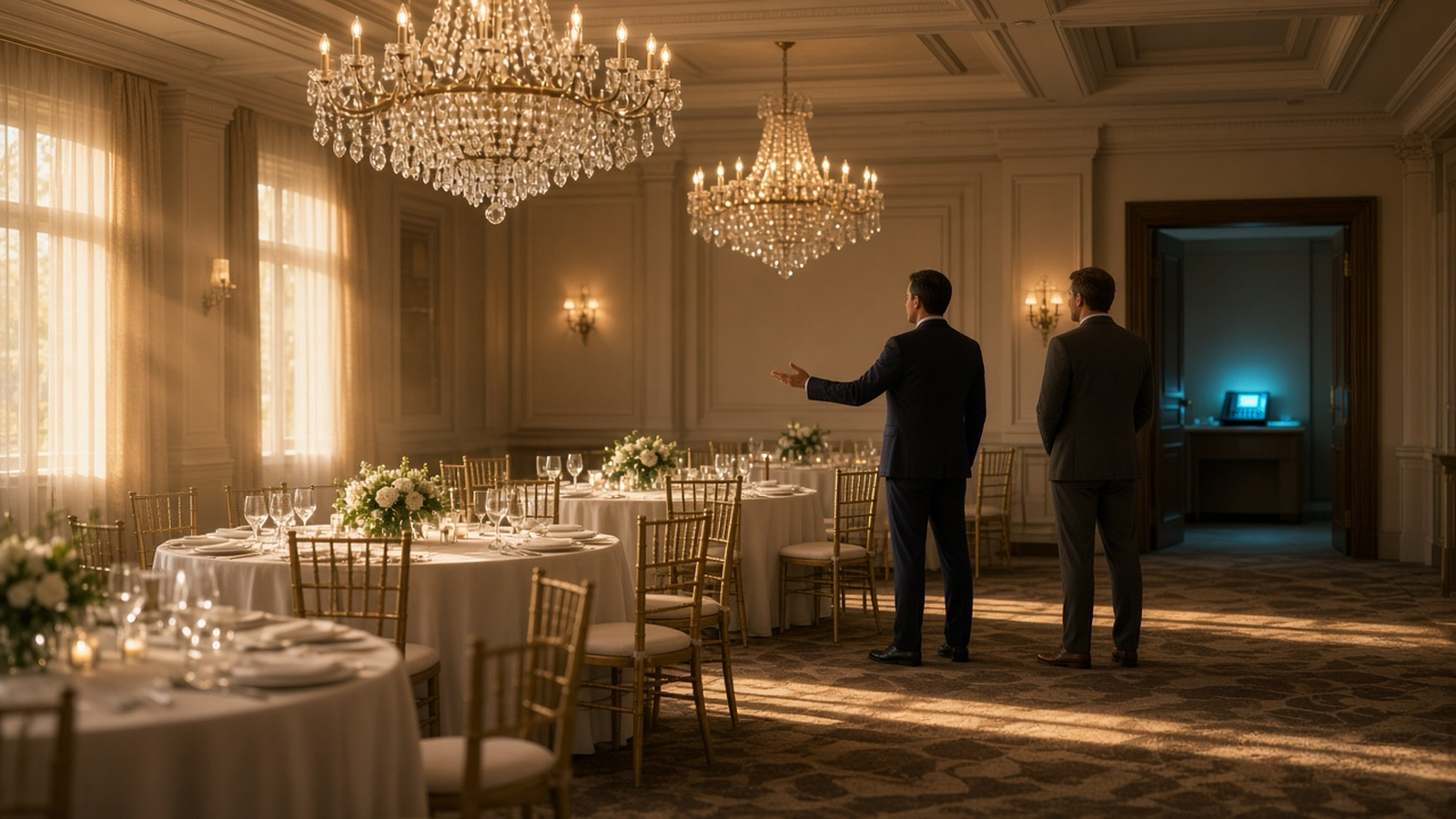
Those two peak hours were also the hours the banquet team was most likely to be walking a client through a hall. Around 56 of the month's calls were banquet, conference and event enquiries, the business that team exists to win.
The person showing a client the venue is doing valuable work. At the same moment, another guest is calling about rooms, rates or a hall. Neither job matters less.
But a phone call needs attention the moment it arrives. If the only free person is busy, the caller waits or tries later. If nobody answers, the hotel may never hear from that person again.
Adding staff to conventional peak periods does not fix this on its own. The busiest window differs by property, and it often lands on top of other important work.
What does an unanswered call cost?
From inside the hotel, an unanswered call looks like a small interruption nobody had time for.
From the caller's side, it can be the end of the enquiry.
- A guest looking for a room moves to the next property on the list.
- Someone comparing options books with the hotel that answered first.
- A caller ready to commit postpones, or books through an OTA instead.
The hotel rarely knows what that call was worth, because the conversation never happened. Phone coverage is part of the booking journey, not just a front desk task. We mapped the after-hours version of this leak in Why After-Hours Hotel Inquiries Still End Up on OTAs. The busy-afternoon version is quieter, because the desk is staffed and nobody notices the missed call.
How does a voice AI front desk change this?
Hotels need a way to keep enquiries moving without expecting their people to be free for every call.
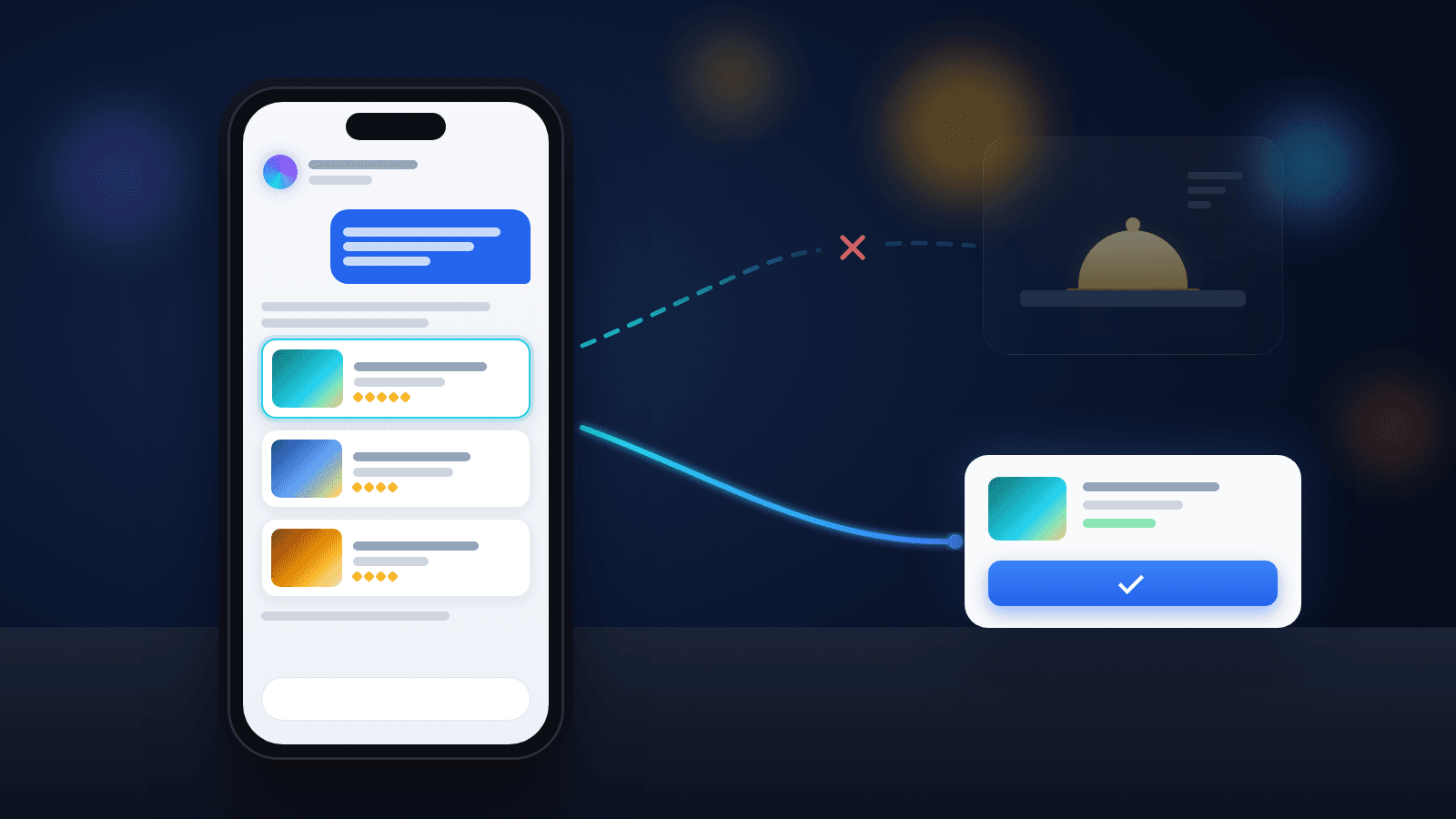
Picture the receptionist mid check-in while a second caller asks about a room. Or the banquet manager mid tour while a corporate client rings about a conference. A voice AI front desk takes that call instead of leaving it to ring, answers the questions, and moves the guest towards a booking.
Answering is useful. Turning the call into a reservation or a qualified event lead is what connects phone coverage to revenue.
It also frees the team for what needs a human: in-house guests, events and complex requests. The aim is not to take people out of hospitality. It is to stop a busy team from becoming the barrier between a guest and a booking.
How do you find the pattern at your own property?
There is no universal peak-hour schedule. A convention hotel may see heavy evening demand. A banquet-led property may see calls rise during site visits. Yours may look different again.
Run this check with one month of call logs:
- Plot calls by hour. Use real conversations, not every ring, so short misdials do not distort the picture.
- Lay the roster over it. Mark check-in and checkout peaks, banquet tours, shift changes and breaks.
- Find the overlaps. Look for hours where calls rise while the people who answer them are busy.
- Check after-hours separately. Count calls and leads outside desk hours, and what happened to each.
- Decide coverage by hour, not by shift. Change the roster where it helps. Add a reliable answering layer where it does not.
The goal is not to rewrite the roster every time the pattern shifts. It is to make sure the hotel can respond whenever a guest calls.
Where HeyKoala fits
HeyKoala is a voice AI front desk built only for hotels and resorts. When the desk is busy or closed, it picks up in under a second, in 26+ languages, checks live PMS availability, quotes the right rate, sends a payment link mid-call, and writes the reservation back to your PMS. Banquet and event calls reach your team as leads with the date, headcount and occasion already captured. Anything outside your SOP goes to a person with full context.
Your team cannot be free for every call. Your hotel can still be ready to answer.
FAQ
What are the peak call hours for hotels?
They vary by property. In our client data, one city hotel's 8pm hour was as busy as 2pm, and a banquet-led business hotel peaked between 3:30pm and 5:30pm. Plot your own calls by hour before you plan coverage.
Should we add front desk staff during peak hours?
Sometimes, but staff alone rarely closes the gap. Peaks often overlap with check-ins, tours and shift changes, and after-hours calls need cover too. A reliable answering layer handles the overflow while your team stays on the work in front of them.
Does a voice AI front desk replace the receptionist?
No. It takes the calls your team cannot reach in time, answers routine questions and moves bookings forward. Your people keep the guests in front of them, the events and the exceptions.
CTA
Your busiest calling hours may not be the ones you planned for. Make sure every one of them gets answered.
Free tool · no signup
What is your front desk missing each month.
Missed calls and unanswered WhatsApp never reach your PMS, so they never make the morning report. Move five sliders and see what they cost your property, per month and per year.