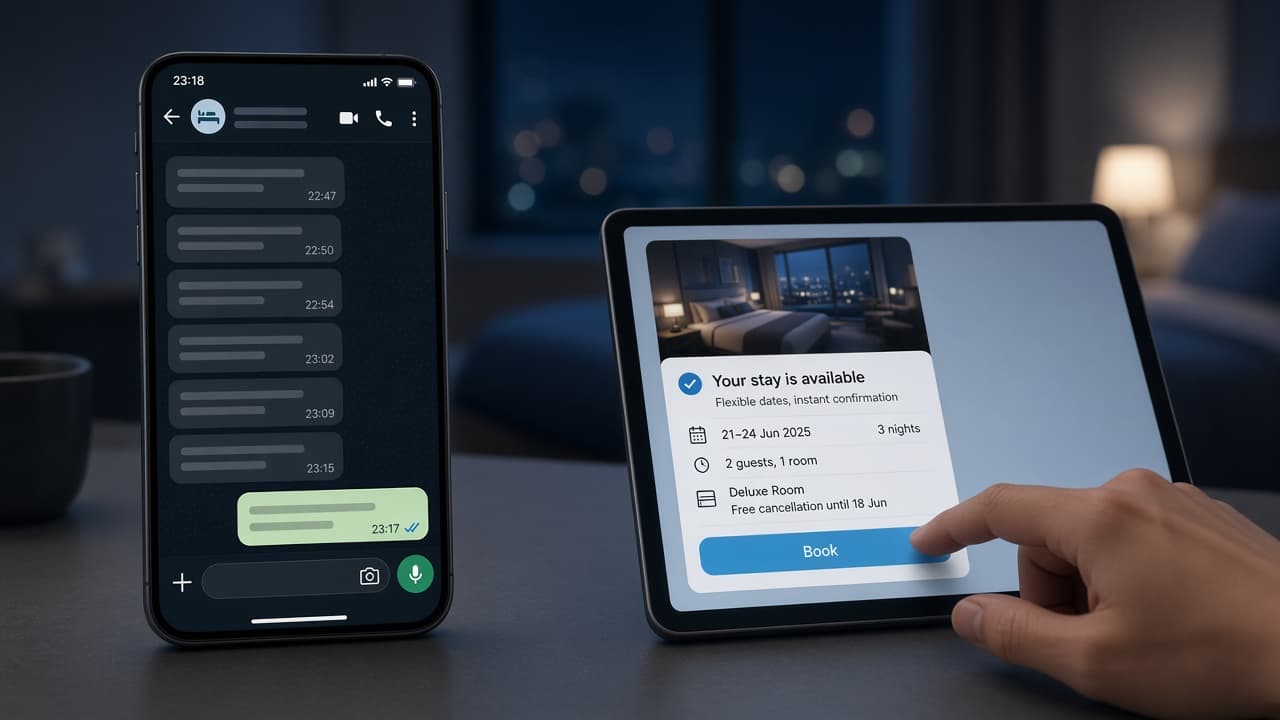

An almost complaint is a guest problem that never becomes a complaint. The Wi-Fi drops. The tray is late. The room stays warm. A request from earlier is still open. The guest decides it is not worth another call, and the hotel never hears it. I see this more often than a formal complaint. The stay still ends a little worse.
Maybe they are only here for two nights. Maybe they do not want to call the desk again. Maybe they have somewhere to be. Maybe they simply think it is not worth the trouble. So they say nothing.
That silence is easy to misread. No ticket, no review, no survey comment. From the desk it looks like a quiet night. From the room it is an unresolved stay.
Why do hotel guests stay quiet instead of complaining?
Hospitality treats a complaint as useful feedback. A guest raises an issue, the hotel responds, the problem gets fixed, and the property learns something. A guest who complains gives you a chance to recover.
A guest who quietly accepts the inconvenience does not. They leave with a poorer impression of the stay, and you have no record of why.
The reasons are ordinary. The stay is short. Another call feels like effort. They have a dinner, a meeting, a flight. They do not know whether the Wi-Fi is the desk, engineering, or just how the building is. So the problem stays in the room.
What is an almost complaint in a hotel?
It is the gap between a service problem and a reported one. The guest noticed. They almost said something. They decided not to.
Consider two guests with the same warm room.
Guest A calls the desk, explains it, and gets help within minutes. From operations, Guest A created a task.
Guest B decides it is not worth calling. From operations, Guest B created nothing.
Both had a service problem. Only one of them gave the hotel a chance to fix it. If you only count complaints, surveys, and reviews, you are measuring the guests who chose to speak. The absence of a complaint is not satisfaction.

Why does the friction around a hotel problem matter more than the failure?
The failure is often small. The friction around reporting it is what turns it into a memory. Calling down, explaining the room number again, waiting, not knowing if anyone is actually coming. That is a second job on top of a trip.
This is different from the first ten minutes of a stay, when the guest is already at the desk and the problem is in front of both of you. Mid-stay, the guest is in the room, and the easiest path is to live with it. It is also different from an unanswered booking inquiry. Here the guest is already yours. You are not losing the reservation. You are losing the impression of the stay you already sold.
How do hotels hear dissatisfaction before it becomes a complaint?
The goal is not to turn every small inconvenience into an alert for a manager. It is to make it easier for a guest to say the small thing, and easier for the hotel to answer before it sits overnight.
That means the guest can reach the desk the way they already reach everyone else, by voice or WhatsApp, and a clear owner on the hotel side picks it up. Otherwise the request dies in a personal phone the way an unowned task does.
HeyKoala is a voice AI front desk for the hotel. It answers on voice and WhatsApp, closes the routine request, and sends anything that needs a person to the right team with the context already attached. The point is not to replace the human side of the stay. It is to make sure a person gets involved when the guest actually needs one.

What changes when hotels move from complaint handling to earlier replies?
The usual loop is reactive. Something goes wrong. The guest complains. The hotel responds.
A tighter loop starts earlier. The guest hits friction. They can say so without hunting for the right extension. The hotel understands the request. Someone addresses it while the guest is still in the building.
That is a different job for the tools. Not only answering more questions. Responding in the minutes when a guest is deciding whether the problem is worth mentioning.
Sometimes the useful signal is not “I am unhappy.” It is the guest who almost said that, and did not.
What should a hotel ask instead of waiting for a complaint?
You will not remove every imperfect moment. Service issues happen. The question I would put in a morning briefing is simpler. How easy have we made it for a guest to tell us when something is not right?
That answer decides whether a warm room becomes a solved request or a line in the story they tell after checkout. Good hospitality is not only responding when guests complain. It is making sure a complaint is not the only way to be heard.
If your team only finds out at review time, book a 30-minute demo and we can look at where those requests stall.
Frequently Asked Questions
What is an almost complaint in a hotel?
It is a guest problem that never gets reported. The Wi-Fi, the late tray, the warm room, or an earlier request still open. The guest notices, decides it is not worth another call, and leaves the hotel with no record of it.
Why don’t hotel guests complain about small problems?
Short stays, time pressure, and not knowing who to call. Many guests would rather live with a small inconvenience than interrupt the trip to explain it again. Silence in that case is effort, not a compliment.
Does no complaint mean the guest was satisfied?
No. Complaints, surveys, and reviews only capture guests who chose to communicate. A quiet stay can still include a problem nobody logged. Treat a missing complaint as unknown, not as a pass.
Should every small guest issue alert a hotel manager?
No. The aim is a simple way for the guest to ask, and a clear owner on the team. Routine requests should close without a manager. A person steps in when the request needs judgment or a fix in the room.
How can a hotel hear problems before checkout?
Let guests reach a voice AI front desk on the phone or WhatsApp, and route anything that needs a person to the team that can close it. If saying something is easier than enduring it, more almost complaints become tasks while the guest is still on property.
Free tool · no signup
What is your front desk missing each month.
Missed calls and unanswered WhatsApp never reach your PMS, so they never make the morning report. Move five sliders and see what they cost your property, per month and per year.