Accountability in a hotel is not more check-ins. It is clarity. When every person knows what is required, when it is due, and what done looks like, you stop chasing updates and the team starts owning the work.
I have sat with GMs who added another round of follow-ups every time something slipped. Room inspections. Maintenance tickets. A guest request that sat in a notebook. Extra supervision worked for a week. Then people waited for the next ping before they moved. The manager spent the shift collecting status. Nobody led.
A culture of accountability is not built by watching people more closely. It is built by making the work obvious, then trusting the team to carry it.
Why does more hotel supervision create dependency?
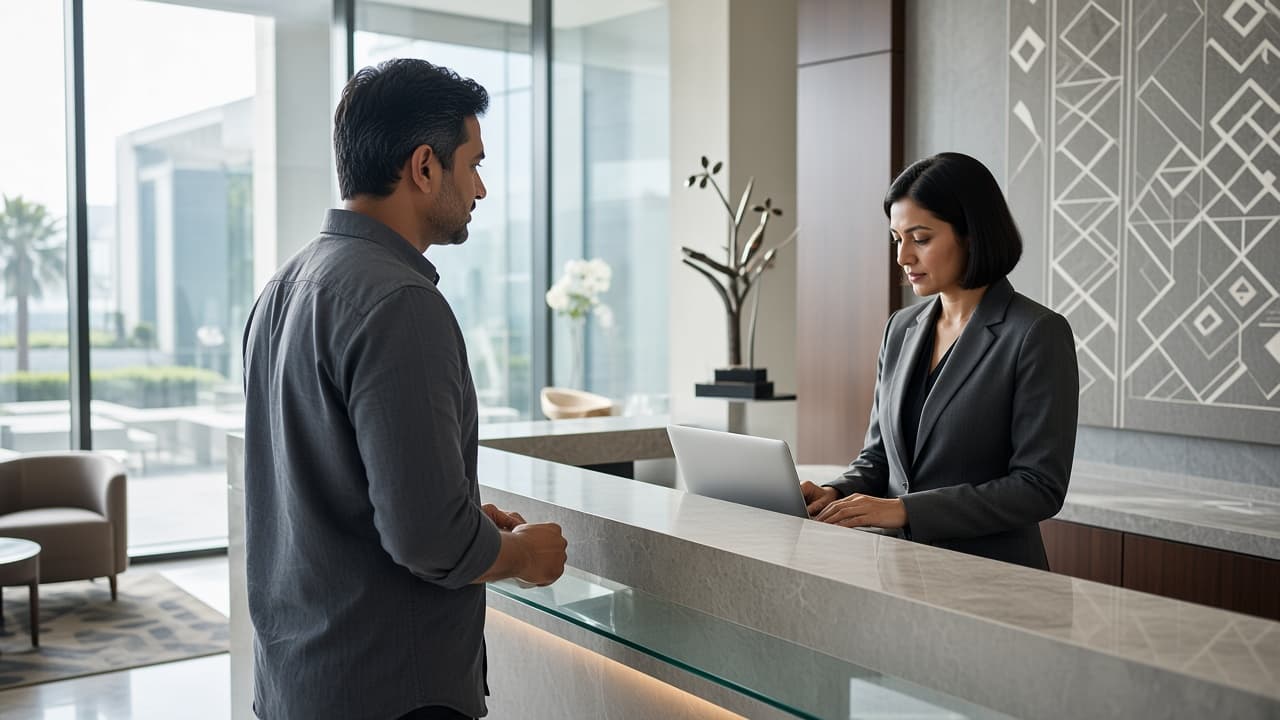
Hotels run on handoffs. Housekeeping, the desk, engineering, F&B. When something is late, the instinct is more check-ins, more WhatsApp pings, more walking the floor. It feels like control. What it usually creates is a queue. Staff wait to be told. Managers spend the day chasing the last update instead of looking at the next arrival.
That is the trap. Continual supervision trains people to wait for directions rather than take the next step. Accountability shrinks to whoever is being watched at that moment. Peak season does not create this. It exposes it.
What should every hotel team member know before you ask for accountability?
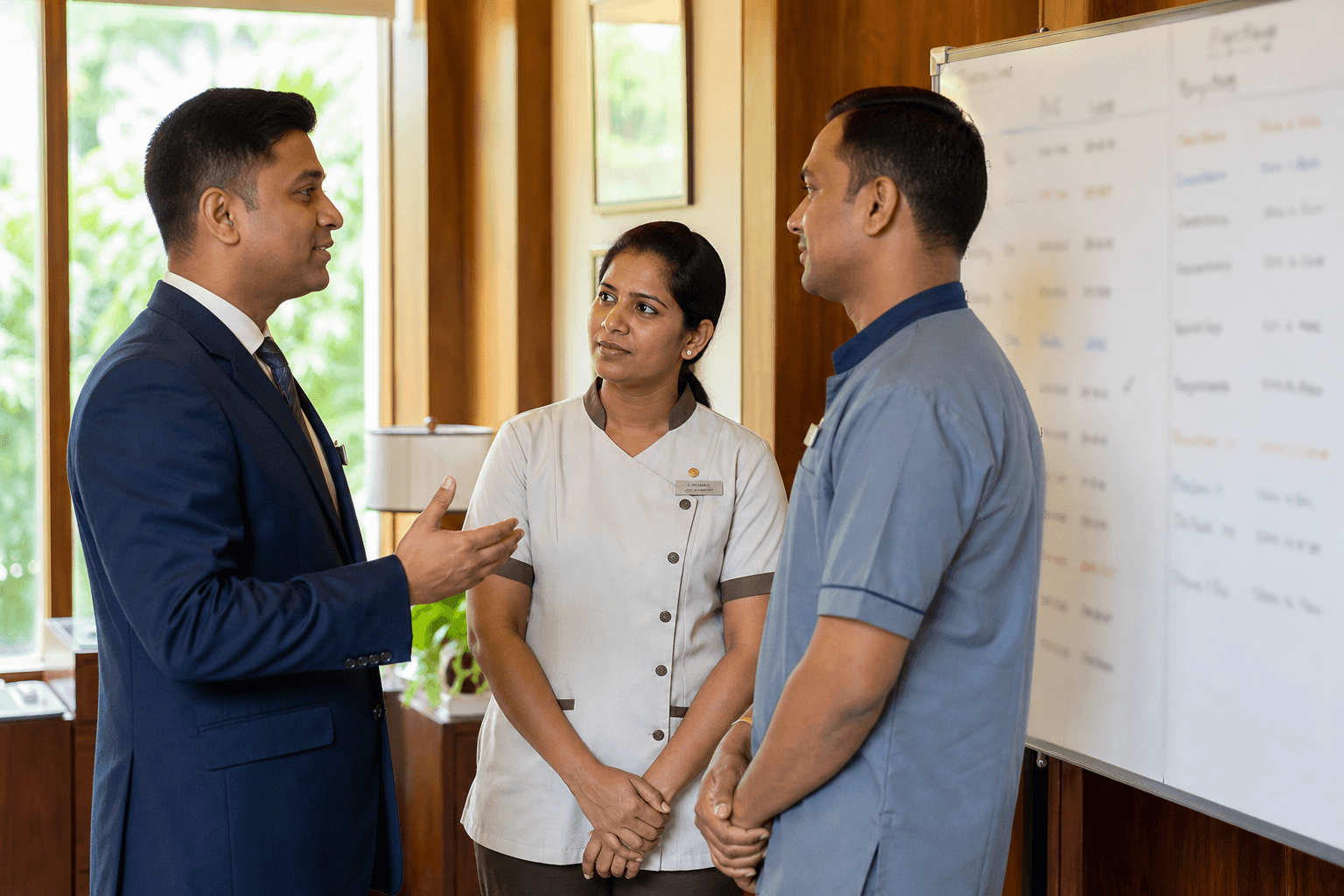
Nobody can be held responsible for an expectation they do not fully understand. Whether it is a room inspection, a maintenance request, or a guest service standard, each person needs three things in plain language.
What is required. When it needs to be done. What success looks like.
If those three are clear, accountability is shared. You are not managing it one task at a time. The floor already knows what “ready” means, the same way they know a vacant room is not a ready room.
Should hotel managers track every task, or the outcome?
Good leaders do not need to know every step a housekeeper takes to finish a room. They need to know whether the room was ready on time. Whether the maintenance problem is actually closed. Whether the guest request was met.
Watch the outcome and people start owning the path. Watch every activity and people start performing the checklist for you. I would rather a supervisor tell me the room is ready, and be right, than get five updates that the cart is on the floor.
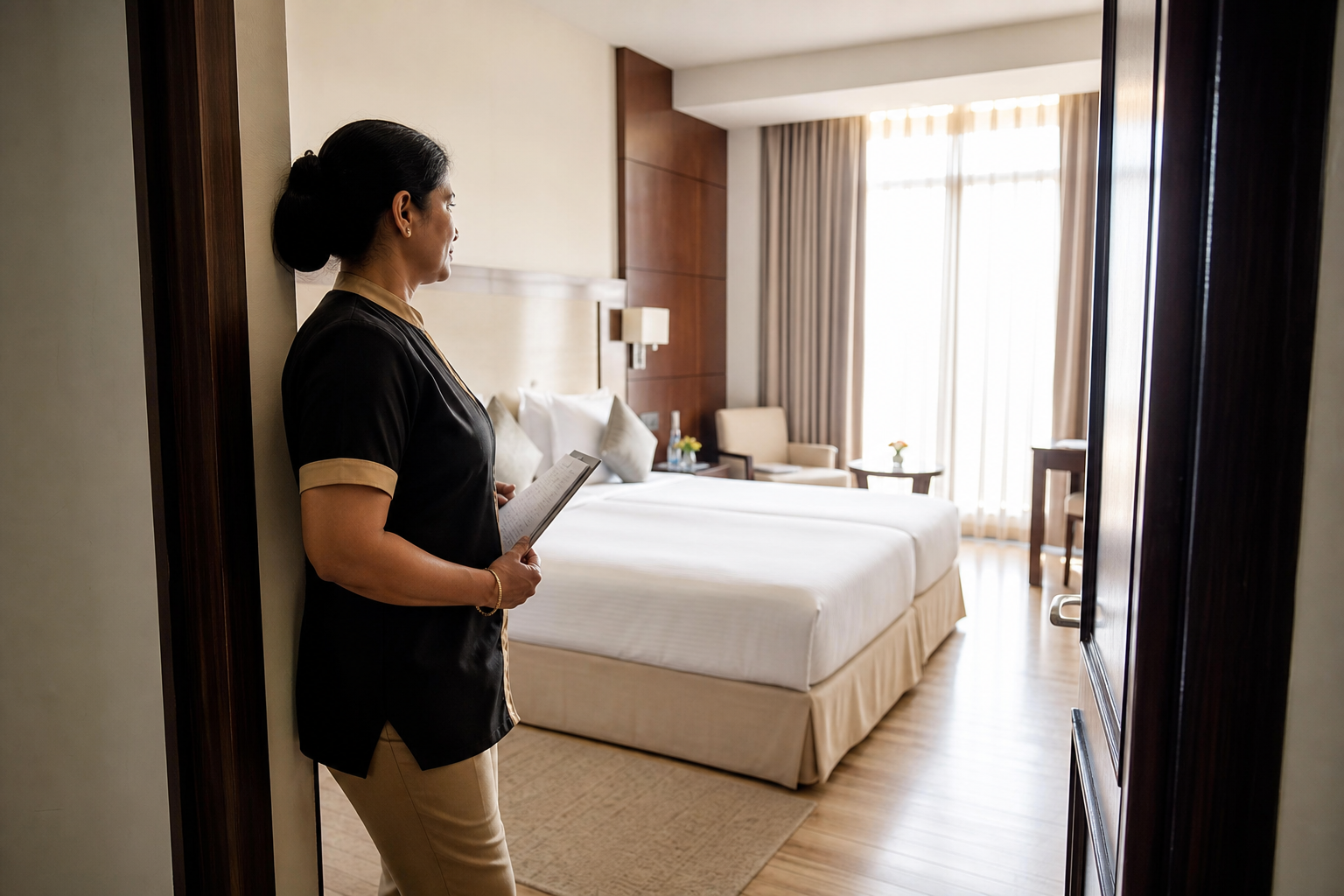
How do you give hotel teams confidence to decide without losing structure?
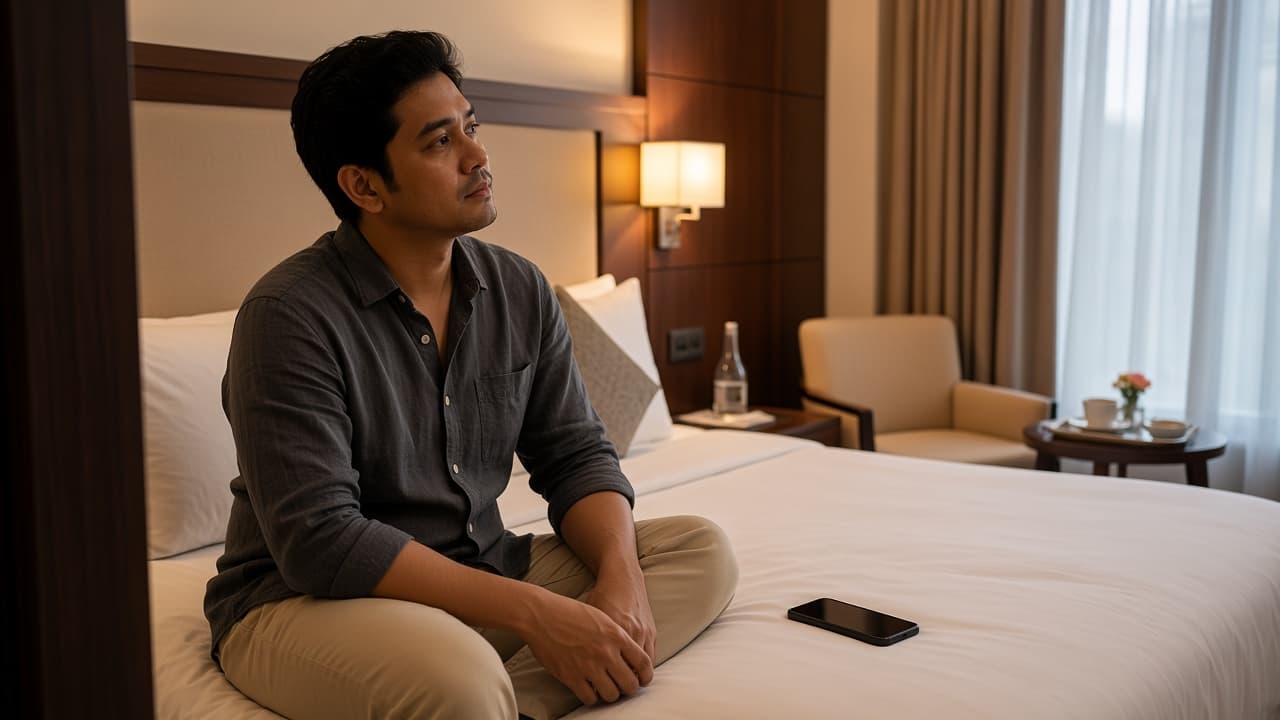
Micromanagement is usually fear of a mistake. Hotels are a bad place for that fear. Staff make dozens of decisions a day, in front of guests, with incomplete information. If they have to call a manager for every one, the guest waits and the manager never leaves the radio.
When people know the guidelines, and know they are trusted to act inside them, they move faster. They learn faster. They stop treating every exception as someone else’s job.
This is not the absence of structure. It is confidence inside the structure you already have: brand standards, the PMS, the shift briefing. Trust sits on top of those, or it is just hope.
How does shared visibility replace constant follow-ups?
A lot of follow-ups exist because nobody can see completion. The manager does not know what done looks like from where they are standing. The associate is unsure of the next step. So the ping continues.
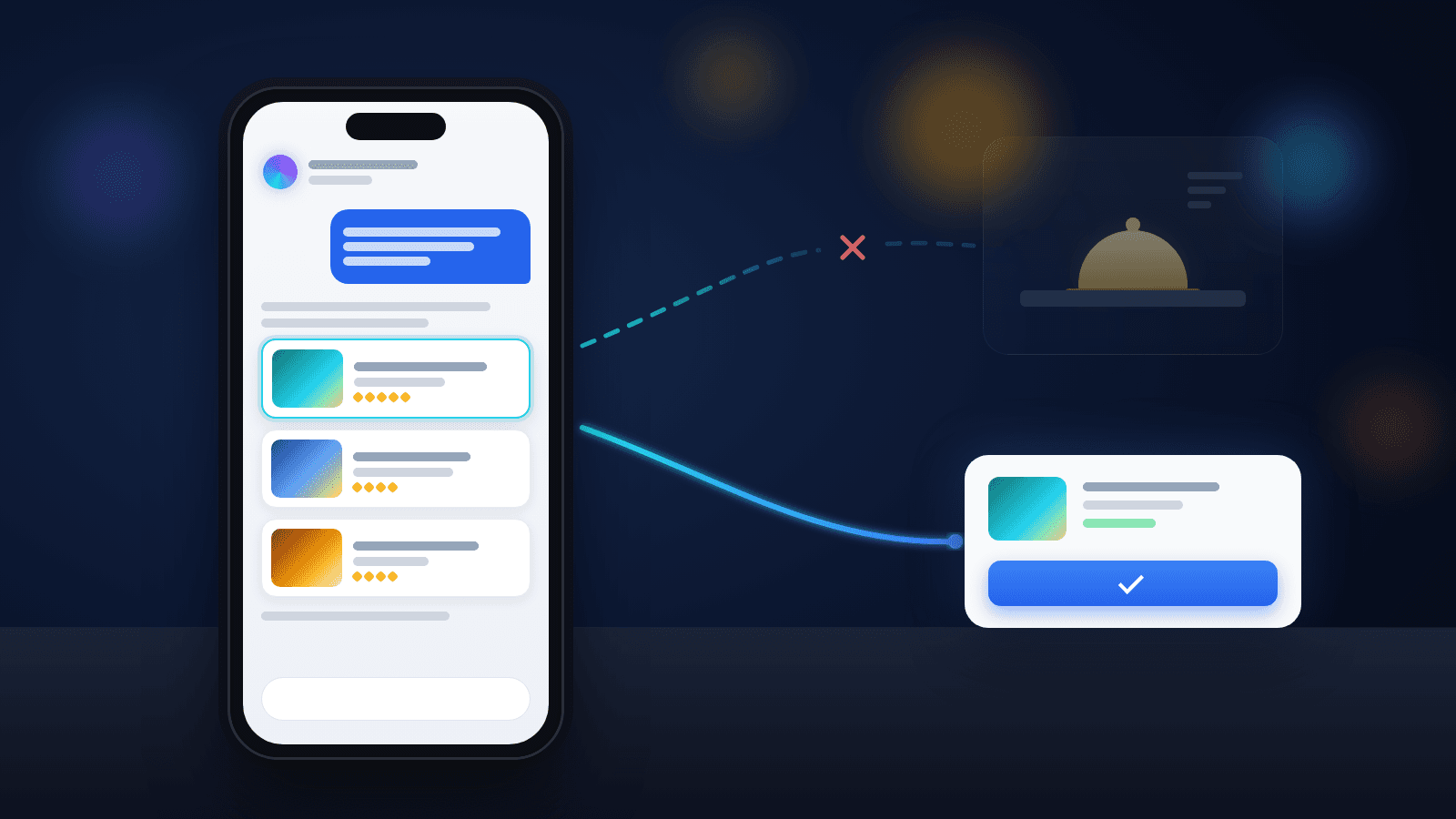
When day-to-day operations are visible, teams stay aligned without a reminder for every task. Platforms such as HeyKoala give that shared picture: progress, handoffs between departments, and a board that is about delivering the result rather than reporting it. The same idea shows up in room readiness, where vacant is not ready, and in an operating layer that connects the tools the hotel already owns.
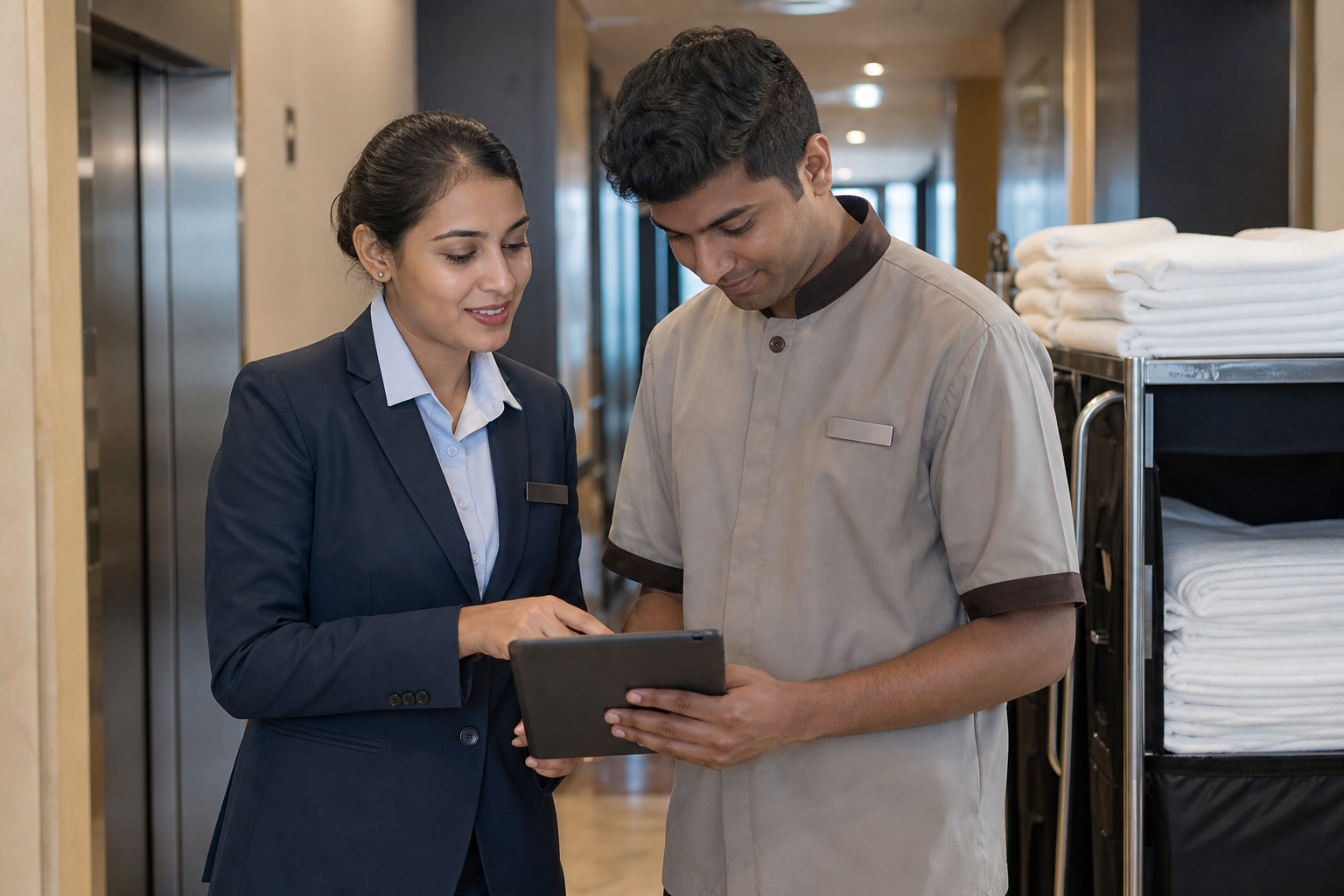
Visibility is not another report. It is the thing that lets you stop asking.
How do you lead hotel teams with trust?
A culture of accountability does not appear because managers keep a close eye on everything. It appears when staff know what is expected, have the means to succeed, and know they are trusted to do the work well.
When trust is backed by clear process, accountability becomes how the team works, not something you enforce after a miss. The best hotel teams I see are not the ones with the closest supervision. They are the ones with the strongest sense of ownership. If you want to see how that visibility looks on a live property, book a 30-minute demo.
Frequently Asked Questions
How do you create accountability in a hotel without micromanaging?
Make expectations clear first: what is required, when it is due, and what done looks like. Then manage outcomes, not every step. Shared visibility of daily work replaces most of the follow-ups that feel like supervision.
Why does extra supervision make hotel teams less accountable?
Continual check-ins train people to wait for the next instruction. Staff stop moving until they are asked. Managers spend the shift chasing status instead of leading. It works for a few days, then it creates dependency.
What three things should hotel staff know before you hold them accountable?
What is required to be done, when it needs to be done, and what success looks like. Room inspections, maintenance requests, and guest standards all fail the same way when those three are fuzzy.
How can hotel managers stop chasing updates all day?
Stop managing activity and start managing outcomes. Give the team a shared view of what is open, what is done, and who owns the next step, so follow-ups are the exception rather than the shift.
How does HeyKoala support accountability without more check-ins?
HeyKoala gives departments one view of progress and handoffs, tied to the work already happening in the hotel. Teams coordinate on the result. Managers are not collecting the same status by radio and WhatsApp.
Free tool · no signup
What is your front desk missing each month.
Missed calls and unanswered WhatsApp never reach your PMS, so they never make the morning report. Move five sliders and see what they cost your property, per month and per year.