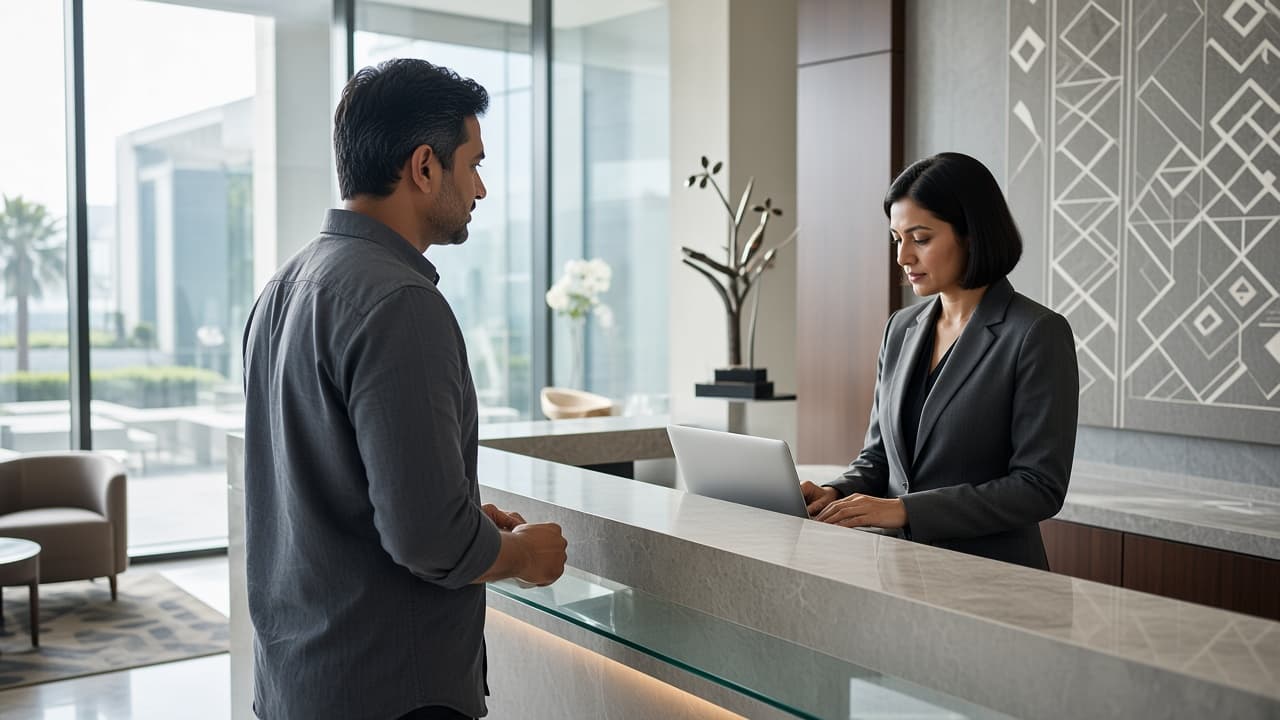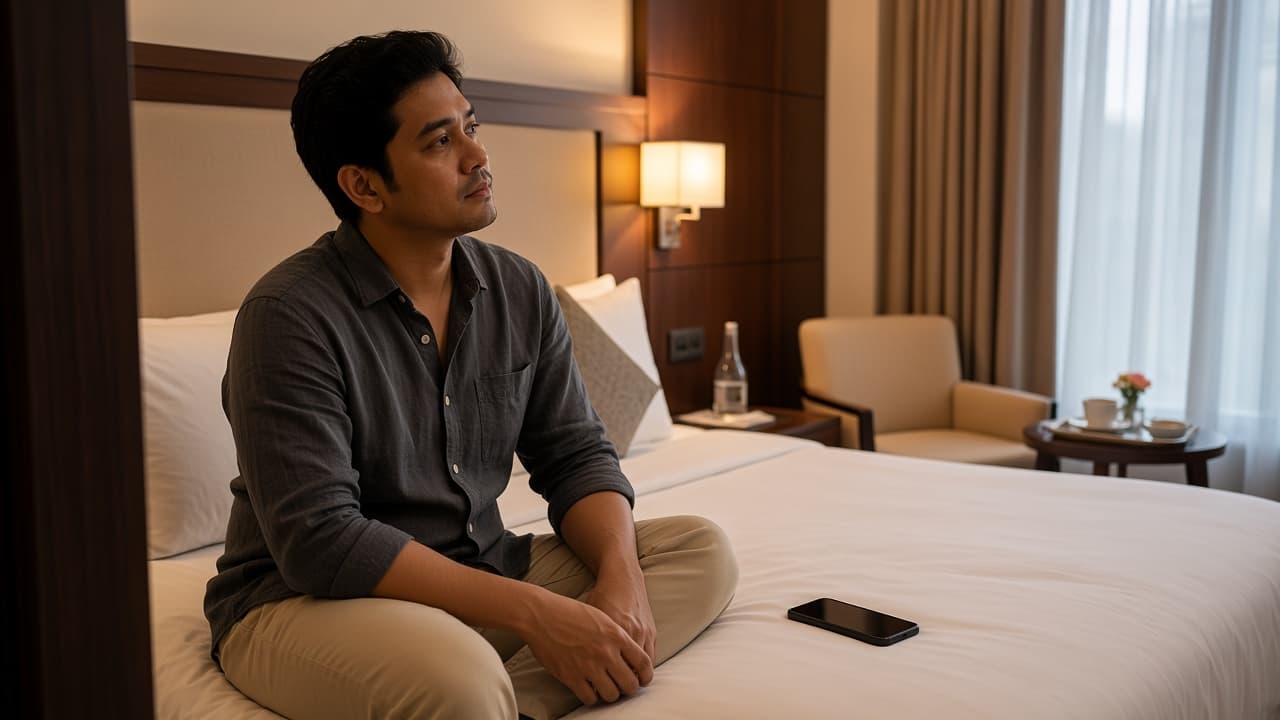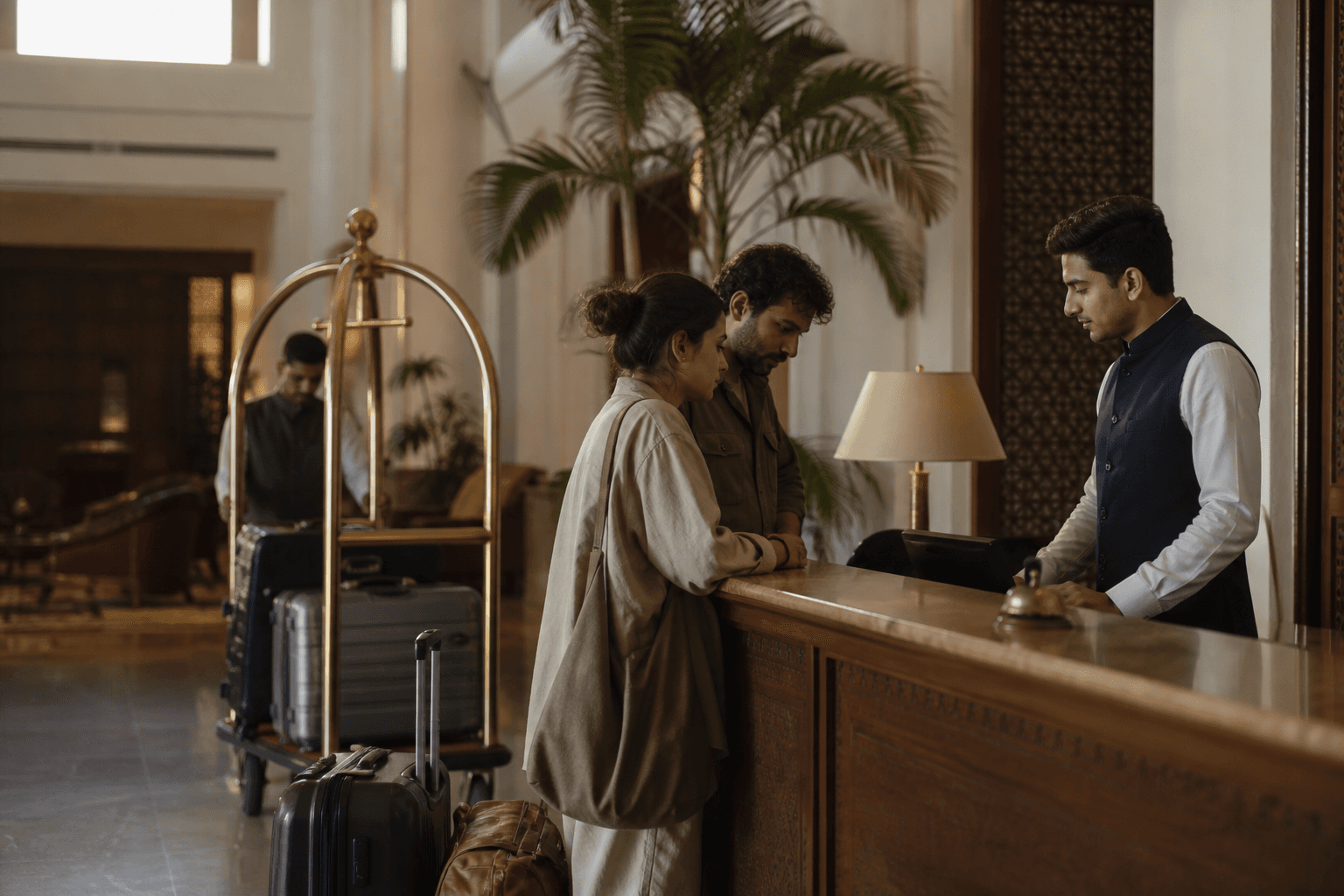
I have watched this from the lobby more times than I can count. A guest’s view of your hotel starts well before they sit down in the restaurant, walk into the spa, or spend a full night. It starts in the first ten minutes.
Those minutes set the stay. If arrival is quiet and the room is ready, guests let small things go later. If they wait, get mixed messages, or walk into a room that is not done, you spend the rest of the stay catching up.
For a GM, those ten minutes are not a smile at the desk. They are the scoreboard for whether operations actually work.
Why do the first 10 minutes of a hotel stay matter most?
The first ten minutes of a hotel stay are the window in which a guest decides whether you are organised. Check-in speed, a room that is actually ready, luggage that shows up, and a space that looks finished. That is the whole brief. Everything after that, breakfast, spa, the view, is judged against that first read.
I have sat with owners who invest heavily in F&B and still lose the stay at the desk because a room was marked vacant when it was not ready. Vacant is not ready. Guests do not separate those two words. You do.
What does a smooth arrival actually depend on?
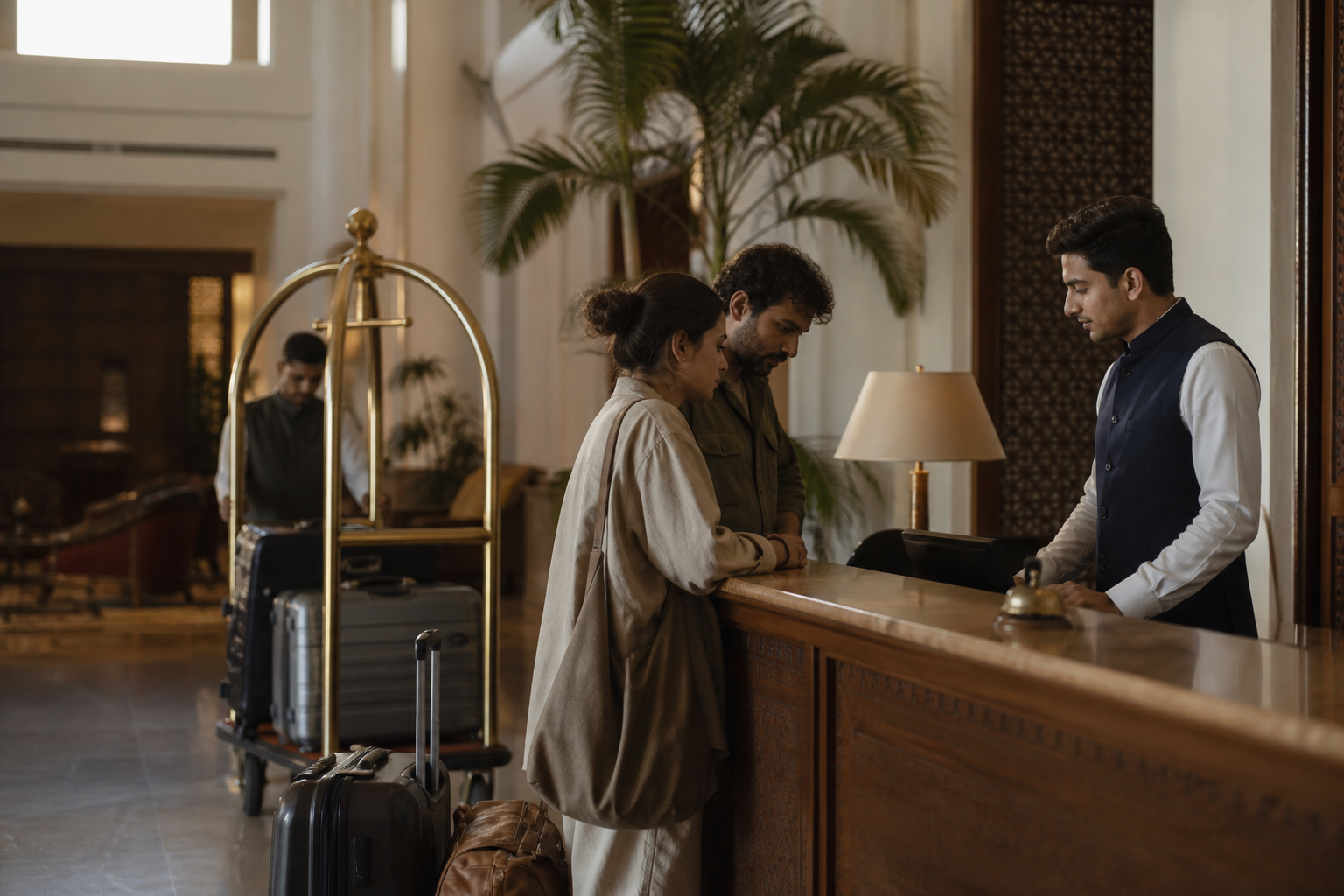
Guests call a fast check-in “good service.” It is usually four teams who already did their jobs before the car reached the porch. Front office, housekeeping, maintenance, porters. One guest experience, many handoffs.
If those handoffs are late, the desk looks slow even when the associate is trying. I have seen a full desk and an empty room board at the same time. The bottleneck was not a smile. It was a room that still needed twenty minutes.
The guest has one stay. Your teams have a chain of tasks that have to finish in order. That is the work.
Why do small delays at check-in feel longer to guests?
Picture a long flight, a delayed bag, a taxi in heat. Then picture standing at reception because the room is not ready. From the back office, ten extra minutes is a turnover. To that guest it is a signal that nobody planned for them.
Small delays create uncertainty. A steady arrival creates confidence. The aim is not to rush people through check-in. It is to take the idle wait out of the process, the kind of wait that exists only because rooms, keys, and the desk are not looking at the same picture.
Which arrival details do guests notice first?
They notice the things hotels stop seeing. Is the room clean. Is the temperature right. Are the amenities restocked. Was the extra pillow or the early arrival actually done, or only noted.
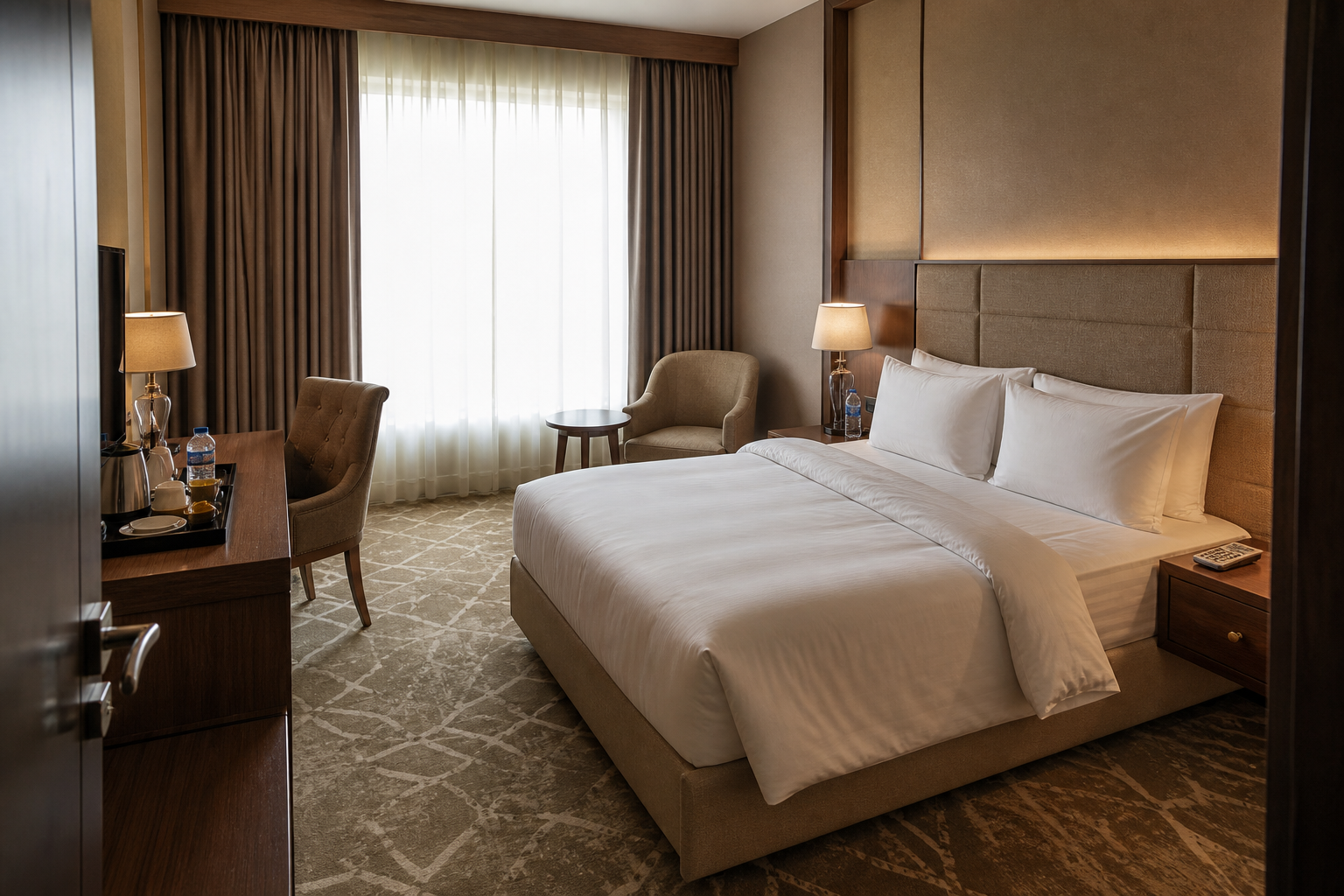
Correct details rarely earn praise. Wrong details get named before the guest has unpacked. Consistency is how first-time visitors become people who book you again. Not a speech at the desk. The room matching what you promised.
How should hotel teams prepare before the guest arrives?
The best arrivals I see are not assembled at the counter. They are finished in the hour before. Clear priorities, live room status, and each department knowing what the other is holding. Then the desk can talk to the guest instead of hunting for a housekeeper on the radio.
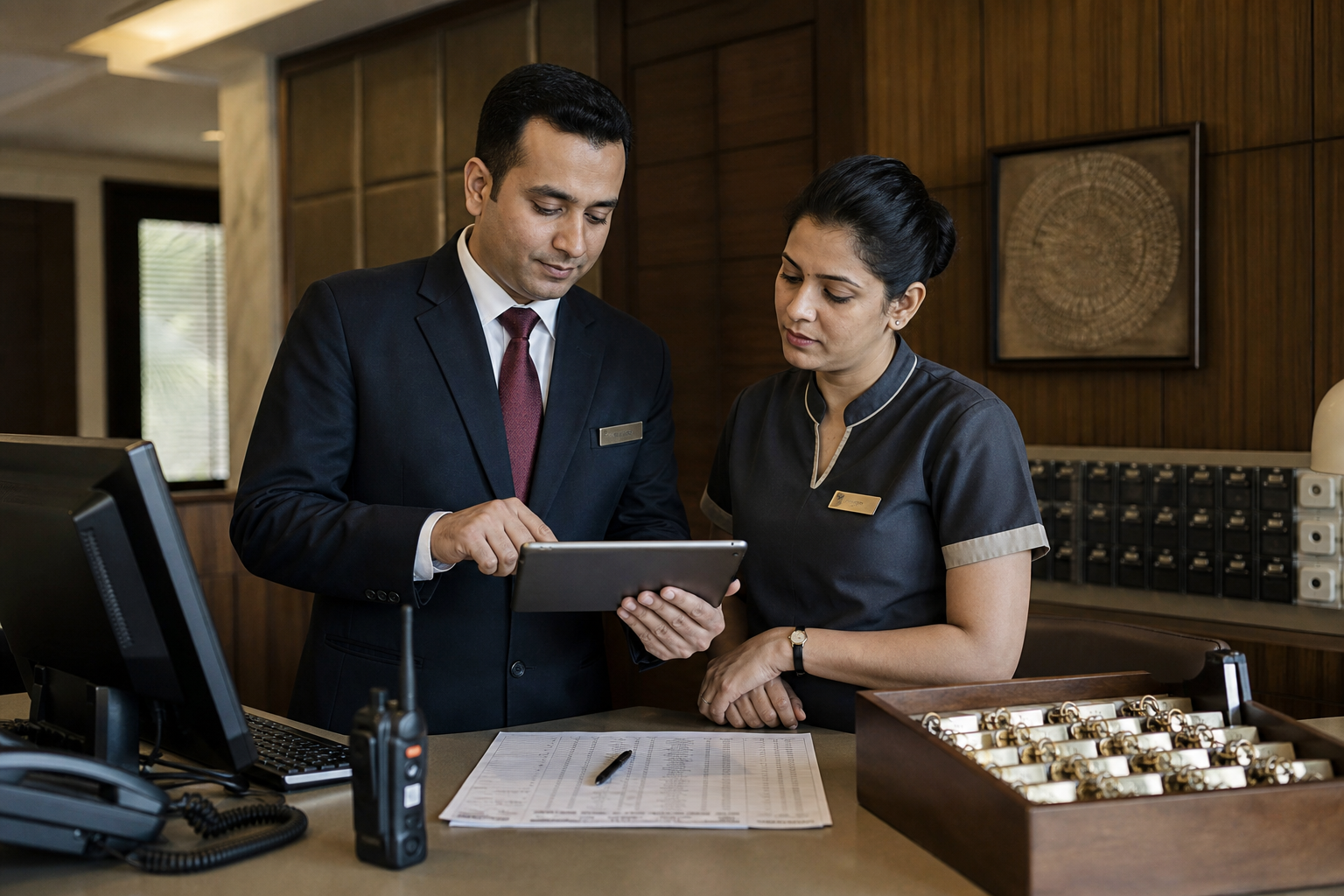
When I sit with GMs in India and the Gulf, the properties that look calm at two in the afternoon already aligned housekeeping, the desk, and the PMS that morning. Tools such as HeyKoala give those teams a shared view of room readiness and the tasks still open, so check-in is not where surprises show up.
None of that replaces a person at the desk. It stops the person at the desk from being the last one to find out the room is not ready.
The stay starts before the room key
People remember the view, the breakfast, the bed. The first thing they actually meet is arrival. Those minutes tell them, clearly, whether the hotel is organised, paying attention, and ready to take them in.
Spending care on the first ten minutes is not about a first impression for its own sake. It is about the operating habit that makes the rest of the stay possible. If you want to see how that coordination looks on a live property, book a 30-minute demo.
Frequently Asked Questions
Why do the first 10 minutes of a hotel stay matter?
That is when the guest decides whether you are organised. A ready room and a short wait set the tone for the stay. A late room or a confused desk is hard to walk back, even if breakfast is excellent later.
What causes a slow check-in even when the desk is staffed?
Usually a room that is vacant but not ready, or a special request that never left the notes. The associate can be fast. If housekeeping, maintenance, and the PMS are not aligned, the guest still waits.
How can hotels reduce waiting at arrival without rushing guests?
Finish the work before the car arrives. Live room status, luggage ready to move, and the desk looking at the same board as housekeeping. Guests can take their time at the counter when they are not standing because a room is unfinished.
What should be ready before a guest reaches the front desk?
A room that has been cleaned, inspected, set to a sensible temperature, restocked, and matched to any request you already accepted. Luggage handling should be queued. The PMS should agree with what the housekeeper last reported.
How does HeyKoala help hotel teams at check-in?
HeyKoala gives the desk and housekeeping one view of room readiness and open tasks, tied to the PMS, so an arrival is not the moment a surprise appears. The team still greets the guest. They are not discovering the problem in front of them.
Free tool · no signup
What is your front desk missing each month.
Missed calls and unanswered WhatsApp never reach your PMS, so they never make the morning report. Move five sliders and see what they cost your property, per month and per year.