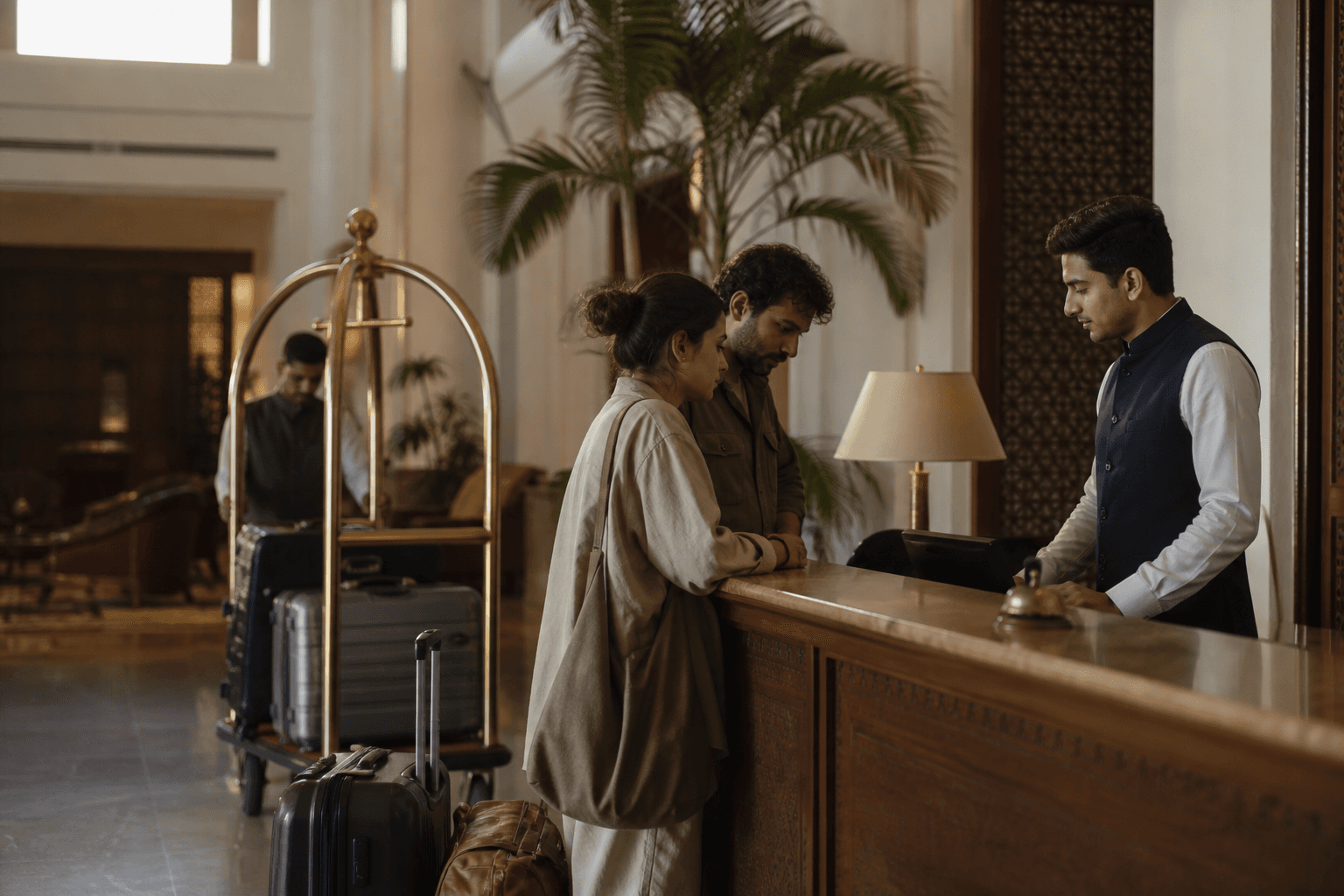
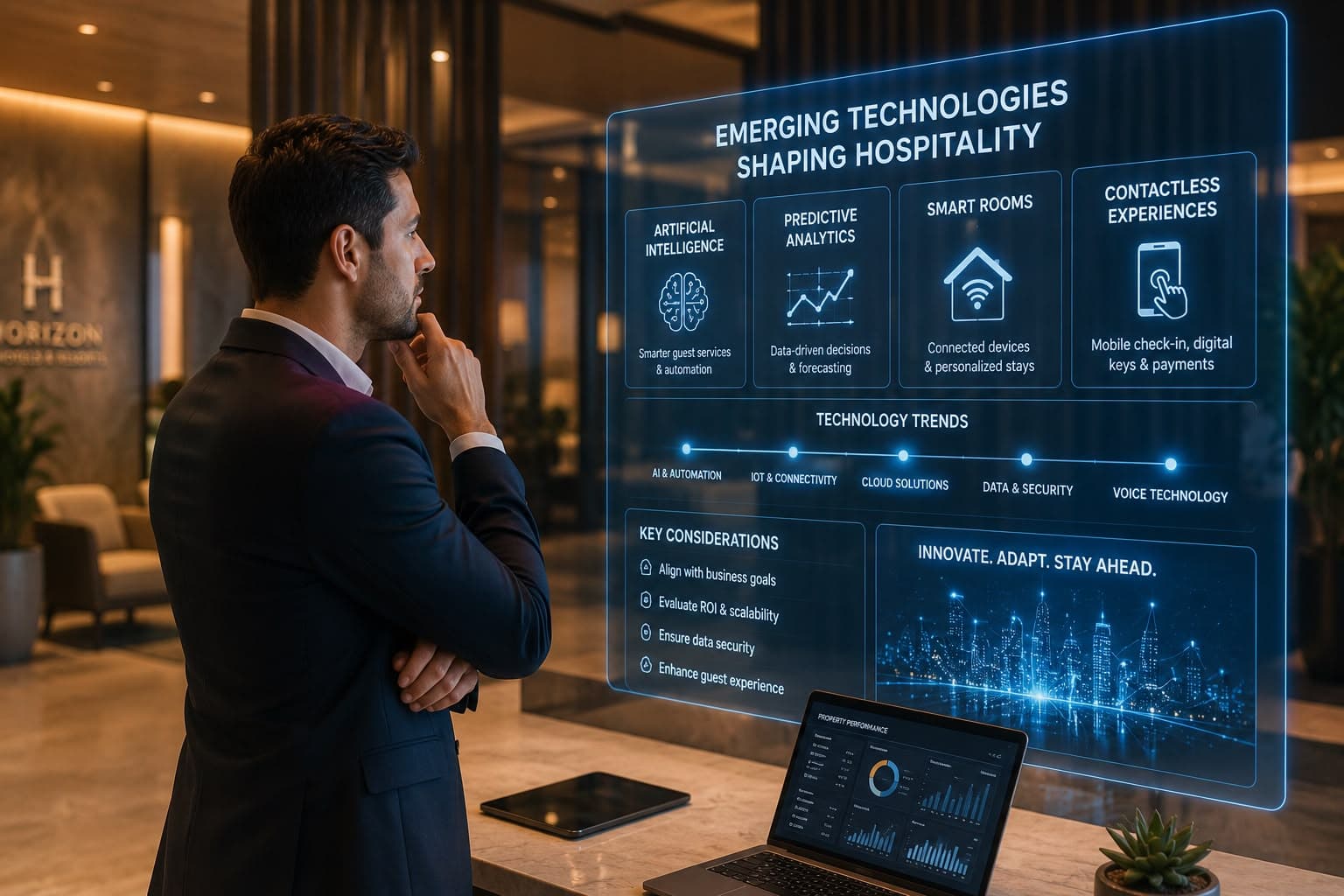
The hospitality industry is adopting technology faster than at any point I can remember. Mobile check-in, AI agents, cloud-based property management, contactless payments, smart rooms. The pace is real, and it is accelerating. Every operator I speak to is either in the middle of a rollout or planning the next one.
But after fifteen years in technology, and the last few of them building for hotels, I have become convinced of something that sounds counterintuitive: the hardest part of hotel technology has very little to do with the technology itself.
The tools are good. Most properties already own more capability than they actually use. The real challenge for a hotel manager is quieter and harder: making those tools work together, keeping the team confident enough to use them well, protecting the guest, and making sure every dollar of investment shows up either in the guest experience or on the P&L. That is a leadership problem, not an IT problem. And it is exactly where I see the gap widening between the hotels that pull ahead and the ones that quietly fall behind.
Here are the seven challenges I see most often, and how the managers who stay ahead are handling each one.
1. Your systems don't talk to each other
A modern hotel runs on a stack: a Property Management System, a CRM, a booking engine, a payment gateway, housekeeping apps, revenue management tools. Each one is good at its job. The problem is that they usually come from different vendors and were never designed to work together.
When systems don't share information cleanly, you get the symptoms every manager knows: duplicated data, rooms that update late, a guest who gets asked the same question twice, staff acting as human middleware between tools that should be talking on their own. Managers end up spending more time reconciling systems than improving service. Poor interoperability is consistently cited as one of the biggest barriers to digital transformation in hospitality, and in my experience that is not an exaggeration.
The managers who stay ahead stop evaluating tools in isolation. Before they buy anything, they ask a different question: what does this connect to, and how? A slightly less feature-rich product that integrates cleanly will almost always beat a powerful one that becomes another island.
2. Technology only works if your people do
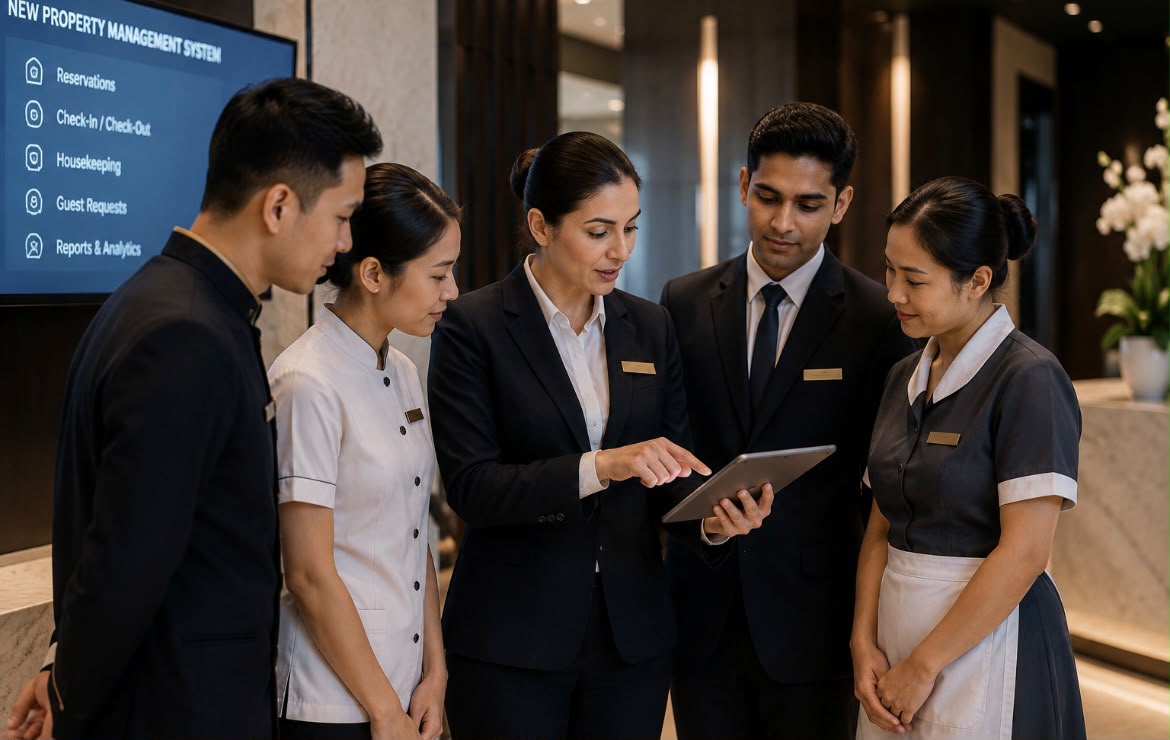
You can buy the best software on the market and still see no return, because technology only delivers when the people using it are comfortable with it. New software means training, changed workflows, and ongoing support, and hospitality has high turnover, which means the training never really ends.
Your front desk, housekeeping, and supervisors may each touch different systems across a single shift. Without proper onboarding, even excellent tools create confusion instead of efficiency. I have watched capable teams quietly route around expensive software because no one ever made it feel easier than the old way.
The lesson I keep relearning is that adoption is a feature, not an afterthought. The best operators treat staff acceptance as seriously as the technology decision itself: they involve the team early, choose tools that feel obvious rather than clever, and measure success by how the floor actually uses something, not by what the demo promised.
3. Guest trust is now a security question
Hotels collect an enormous amount of sensitive information: identities, payment details, travel history, personal preferences. That makes them a genuine target. And here is the shift that not every manager has fully absorbed: guest trust and data security are now the same conversation.
Strong password policies, multi-factor authentication, encrypted payments, and disciplined software updates are no longer the IT department's private concern. As a property becomes more connected, every integration is another door, and security becomes a core management responsibility. A single breach doesn't just cost money; it costs the trust that took years to build.
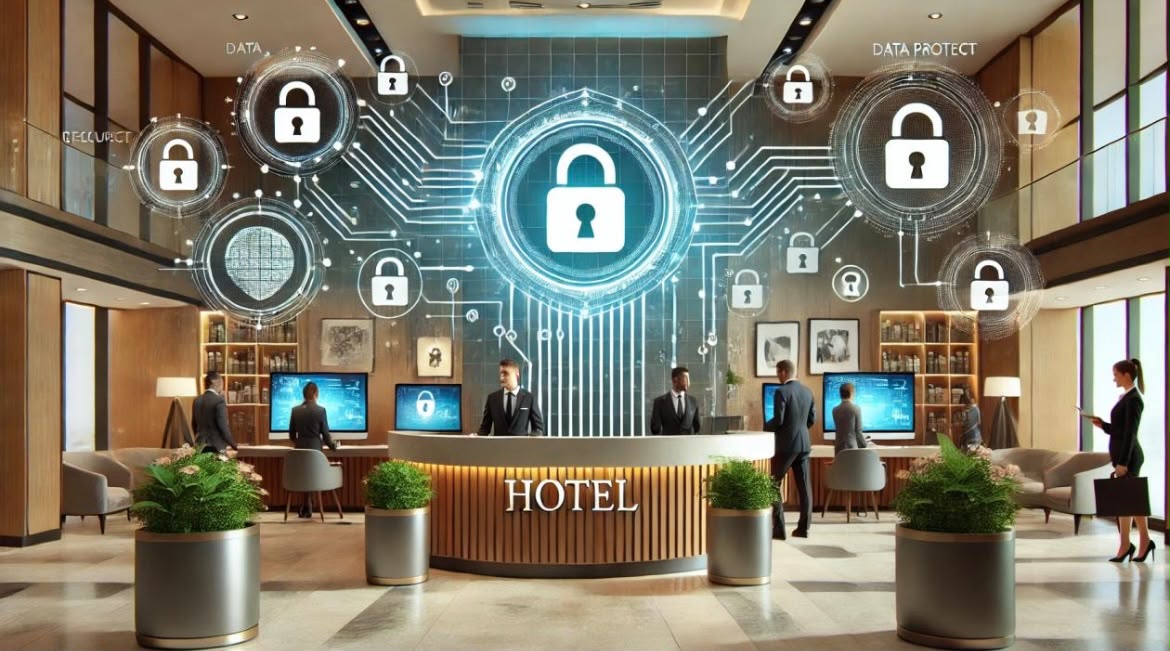
Managers who stay ahead make security a standing question, not a one-time audit. They ask every vendor how guest data is stored and protected, they keep systems patched, and they treat the guest's data with the same care they'd give the guest in person.
4. Every tool has to earn its place
Digital transformation pays off over time, but the upfront cost is real: licensing, implementation, training, maintenance, updates. Budgets are finite, and a manager usually has to justify each investment by pointing to something concrete: efficiency gained, satisfaction improved, revenue recovered. Budget pressure remains one of the main reasons hotels slow down their technology plans, and understandably so.
The discipline that separates leaders here is simple to state and hard to practice: every tool has to earn its place. Before a purchase, define what success looks like in a number you can actually track. After the rollout, go back and check whether it delivered. Tools that can't show their value should be cut without sentiment, which frees budget for the ones that can.
5. Knowing what to ignore
AI, predictive analytics, smart rooms, contactless service, automation. The landscape is moving quickly, and every one of these is reshaping what guests expect. The hard part isn't finding new technology. It's deciding which of it genuinely improves your operation and which is a trend that will look dated in a year.
Move too early and you add complexity you didn't need. Move too late and a competitor sets the new baseline while you catch up. I don't think there's a formula that removes this tension, but there is a habit that helps: a clear technology roadmap tied to your own business goals, not to the market's hype cycle. When you know where you're trying to go, it becomes much easier to tell a genuine capability from a distraction. Staying ahead is often less about adopting more and more about knowing what to ignore.
6. Automation should make your team more human, not less
Guests want convenience, and they also want to feel looked after. Those aren't in conflict, but it's easy to design as if they are. Digital check-in, AI messaging, and automated updates take real weight off your team. Used carelessly, though, they can make a stay feel like a transaction.
The judgment call every manager now owns is where technology should lead and where a person is irreplaceable. My own view, and the principle we build on, is that the best hotels use technology to support their people rather than replace them. Automate the repetitive, the after-hours, and the easy-to-get-wrong, so your team has the time and attention for the moments that actually make a stay memorable. Technology handled well doesn't remove hospitality from the experience; it creates more room for it.
7. You're sitting on data you're not using
Every property generates a flood of data daily: booking patterns, occupancy, guest feedback, housekeeping schedules, maintenance records. Inside all of it are real answers about how to run better.
But collecting data is the easy part. Turning it into decisions is where most hotels get stuck. Studies keep showing the same thing: operators understand that their data is valuable, yet struggle to act on it with any consistency, especially when it comes to predicting demand or personalizing a stay. The insight sits in a dashboard nobody opens.
The managers who stay ahead pick a small number of questions that actually matter to their business (where demand is heading, which guests are worth winning back, where service quietly slips) and they build the habit of letting data answer them. You don't need a data science team to start. You need the discipline to ask better questions of the information you already have.
How to stay ahead
Read those seven challenges back and a pattern emerges. Not one of them is really about buying more software. They're about selecting the right tools, connecting them cleanly, preparing people for change, protecting the guest, and making sure each investment earns its keep. That is the actual work of technology leadership in a hotel, and it's work that belongs to management, not to a vendor.
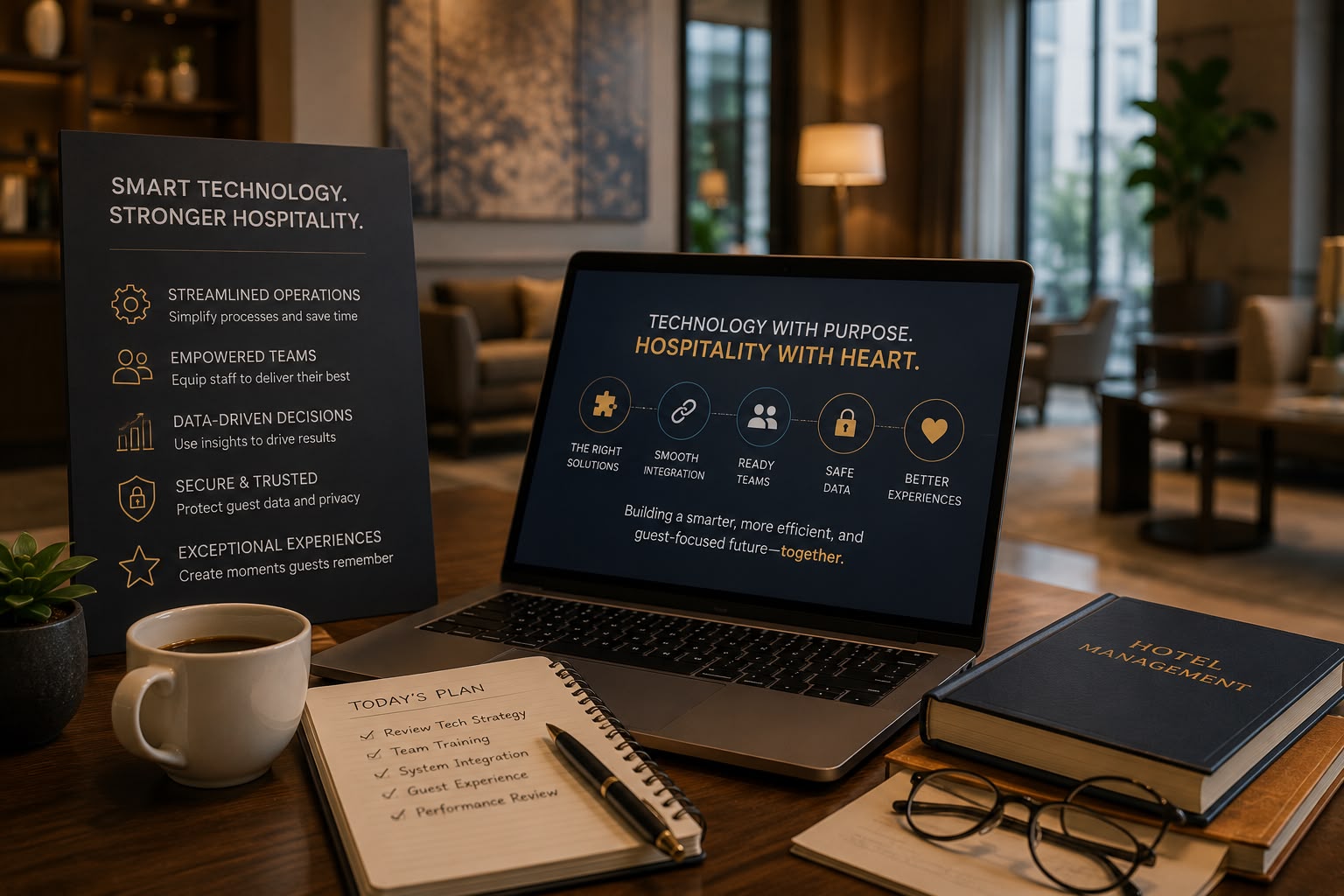
This is the thinking behind what we're building at HeyKoala. We don't believe hotels need yet another standalone platform. We believe they need their existing tools to work together, with AI doing the repetitive coordination quietly in the background so staff can focus on guests. By connecting to the systems a property already runs (PMS, messaging, service requests), HeyKoala turns disconnected tools into one workflow, and gives managers back the time they currently spend holding it all together by hand.
Digital innovation is supposed to make operations simpler, not more complicated. Applied thoughtfully, technology lets hotel teams work smarter, respond faster, and deliver the personal, consistent experiences that today's travelers expect. Applied carelessly, it just adds more screens to manage.
The hotels that will lead the next decade won't be the ones with the most technology. They'll be the ones whose technology gets out of the way, so their people can do what technology never will.
If you'd like to see what connected, purpose-built technology looks like on your property, book a demo and we'll walk you through it.